The Cape Naturaliste Conservation Enterprise
is a grass-roots project that thinks big!
Imagine a landscape repaired – native plants and animals flourishing in a world-leading example of conservation, by a community working together with a bold shared vision.
The enterprise
The Friends of Meelup, partnering with Nature Conservation Margaret River Region, received State NRM funding to implement the Cape Naturaliste Conservation Enterprise (CNCE) over 2024-2027.
The CNCE is a comprehensive, cross-tenure project, and provides funding for on-ground conservation work including subsidies for private landholders. The project subsidises the cost of weed and feral animal control, revegetation and fencing of creek lines and bushland.
Feral animals: scat tracking and fauna monitoring
Feral animals, including foxes, feral cats and rabbits, have a major impact on biodiversity. Since European settlement, foxes and feral cats have contributed to most of Australia’s native mammal extinctions (at least 27 of 34).
They also affect agricultural productivity through predation and the spread of disease, while rabbits further degrade ecosystems by grazing on native plants and preventing regeneration of seeds and seedlings.
To better protect native species on the Cape, we need a clearer picture of the movement and abundance of both feral and native fauna. And we’re doing this through two programs: Scat Trackers and a large-scale Fauna Monitoring Program using remote cameras.
Scat Trackers
An eDNA program combining citizen science with molecular biology to analyse the diet of foxes and feral cats. Community members collect scat samples, which are frozen and sent to scientists at Curtin University for DNA analysis using sequencing and bioinformatics techniques. Participants receive a sampling kit and clear instructions—then simply collect fresh samples and keep them frozen until they’re sent for analysis. Registrations opening soon.
Fauna Monitoring Program
Our fauna monitoring program uses motion-sensing cameras across Cape Naturaliste on public and private land to capture native and feral animals. This helps identify which species are present and where they occur. Images are processed using AI-powered software, removing the need to sort thousands of photos and delivering faster insights. If you’re a private landholder on Cape Naturaliste and would like to learn more about the wildlife on your property, registrations will open soon—stay tuned.
Priority environmental weeds
Invasive weeds have a huge impact on biodiversity, often replacing native plants with a monoculture of one or few species, which in turn impacts wildlife that depend upon them for food and habitat, changing soil microbiology and natural fire regimes, and changing the nature of the beautiful, Cape Naturaliste landscape that we connect to. Funding is available for priority environmental weed control, including arum lily and some woody weeds. Join hundreds of landholders across the capes region that are doing their bit to protect our unique natural environment.
Your registration includes:
- A FREE site assessment to understand the weed problem on your property,
- First access to FREE training workshops on weed control,
- FREE access to herbicides for arum lily control,
- Funding of up to 50% for the cost of a contractor to control priority weeds
Registrations for the 2026 program close on July 15th, 2026 with limited numbers available. Contact: Mandy Polley mandy.polley@natureconservation.org.au
Revegetation
One of the reasons Cape Naturaliste is so highly valued is because of its beautiful bush landscape, and the wildlife that lives here.
Loss of native vegetation is a huge threat to biodiversity, and to the resilience of our natural environment in the face of climate change. Whilst land was originally cleared for agriculture, vegetation continues to be lost and degraded over time from weed invasion, soil erosion and compaction, reduced rainfall, and trampling/grazing by stock.
We’re looking for rural and rural residential property owners on Cape Naturaliste who are keen to revegetate their properties with local native species, whether motivated by bringing back wildlife, restoring bare areas, creating wildlife corridors, or simply to enhance amenity.
Your registration includes:
- A FREE site visit to determine the scope of the project in consultation with the landholder, and to develop a species list,
- Ordering of tubestock, soil additions, and tree guards/stakes (if necessary), with up to 50% of the costs covered (funding is limited and will be allocated on a first come, first serve basis),
- A FREE landholder training session on how to effectively plant your seedlings.
Contact: Mandy Polley mandy.polley@natureconservation.org.au
Fencing
Do you have remnant bushland or a creekline on your property that you wish to conserve/enhance?
Fencing these areas has numerous benefits:
- Protects vegetation from stock grazing/trampling.
- Allows natural regeneration in otherwise bare areas.
- Improves water quality in creeklines by preventing stock fouling the water and siltation from erosion.
- Attracts native wildlife by increased vegetation cover and protected corridors.
Your registration includes:
- A FREE site visit to determine the scope of the project in consultation with the landholder,
- Coordination of the contractor, with a maximum of $4,000/km subsidy.
- Site visit upon completion of fence construction.
Contact: Mandy Polley mandy.polley@natureconservation.org.au
FAQ
What area does the CNCE cover?
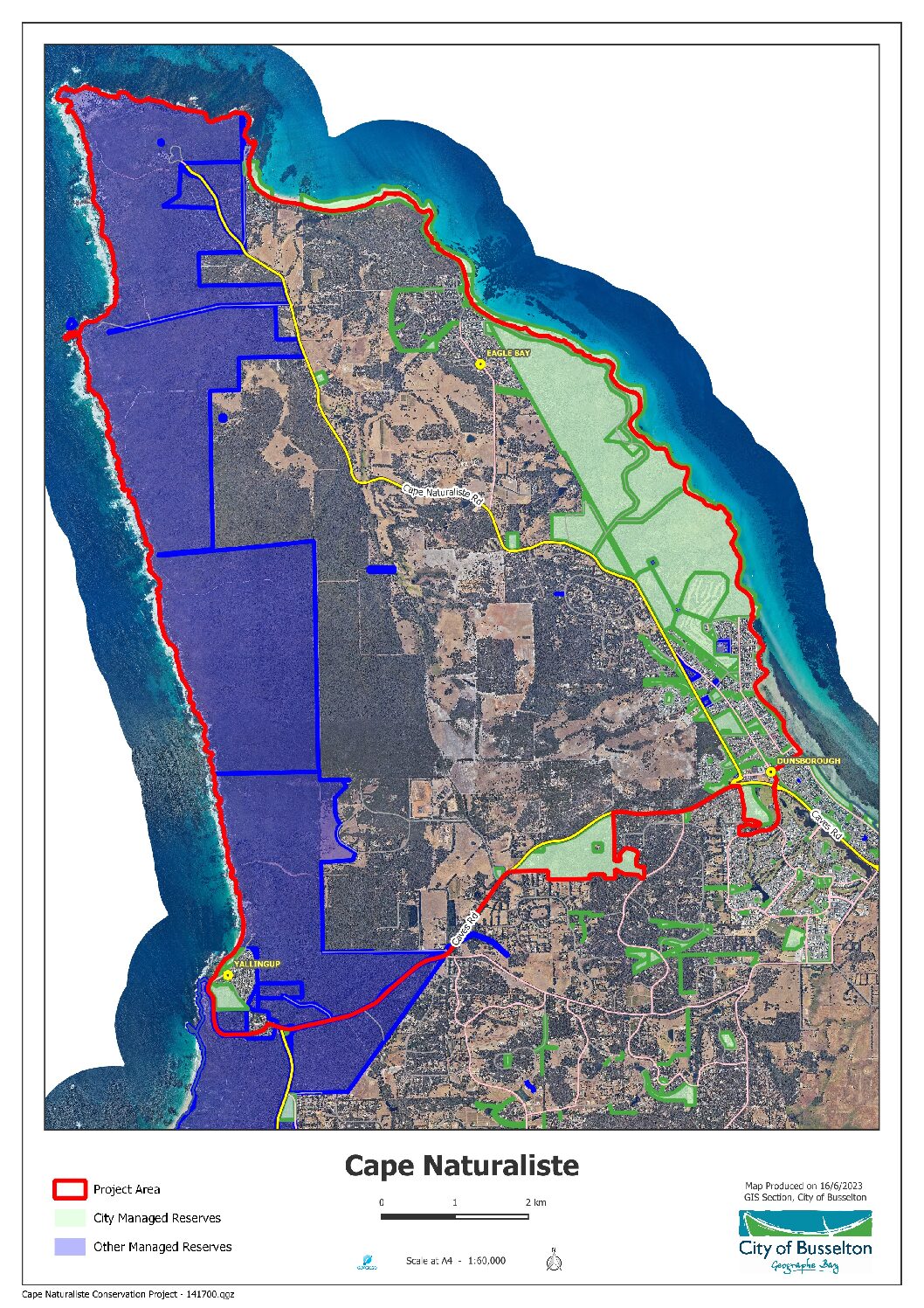
The CNCE covers all of Cape Naturaliste north of Caves Road heading west and including the Yallingup townsite. It also includes Big Rock and Quedjinmia Reserves, both of which are south of Caves Road, as important areas of remnant vegetation with high biodiversity values.
What do I need to do?
Register using the link above, and you will be provided with more information on next steps, depending on which program you wish to register for.
Latest news on the CNCE
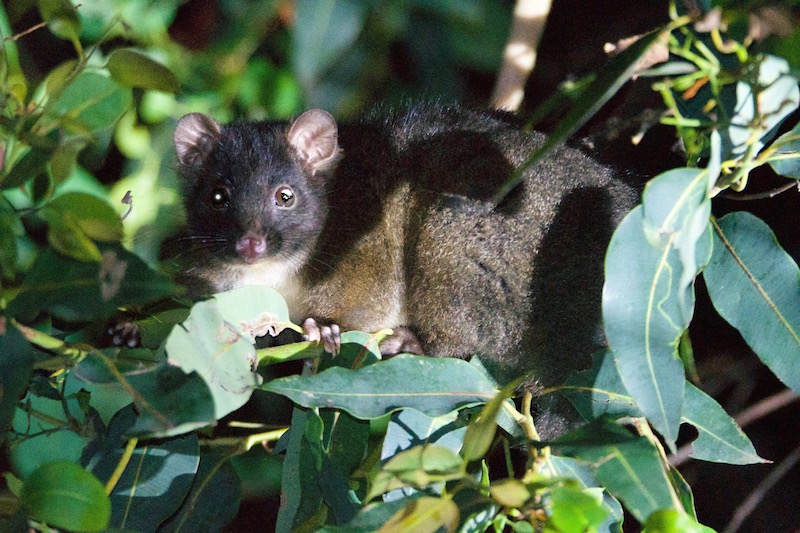
Call for community to join annual Ringtail Tally
Nature Conservation Margaret River Region is calling on the community to take part in the 2026 Ringtail Tally, a vital citizen science program helping protect the critically endangered Western Ringtail Possum. Running from 1 April to 2 May, the annual tally invites...
New Owl Friendly chapter launches as movement grows
A new community conservation group, Owl Friendly Naturaliste, has formed, building momentum for stronger protection of native wildlife from the impacts of rodenticides across the Margaret River region. The new chapter follows the success of Owl Friendly Margaret River...
Biodiversity assessments to know your nature
Landholders can now access expert advice on how to protect and restore the environment on their properties, thanks to biodiversity assessments offered by Nature Conservation Margaret River Region’s expanded team. The assessments are a response to strong demand from...
Address
Community Resource Centre
33 Tunbridge Street
Margaret River WA 6285
Postal Address
PO Box 1749 Margaret River WA. 6285
Contact Us
Phone: (08) 9757 2202
Email: info@natureconservation.org.au